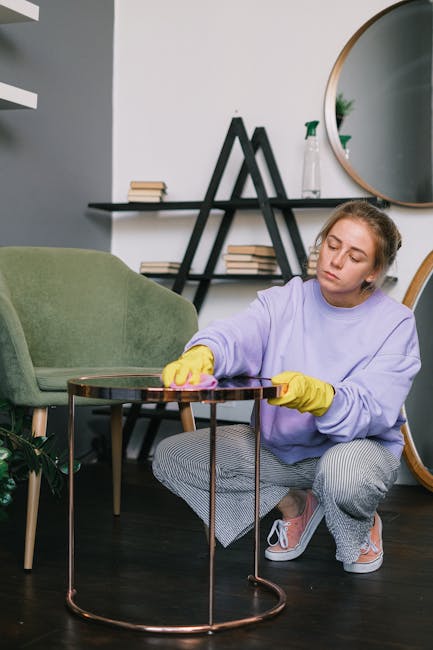
What to know about upholstery cleaning for Ealing landlords
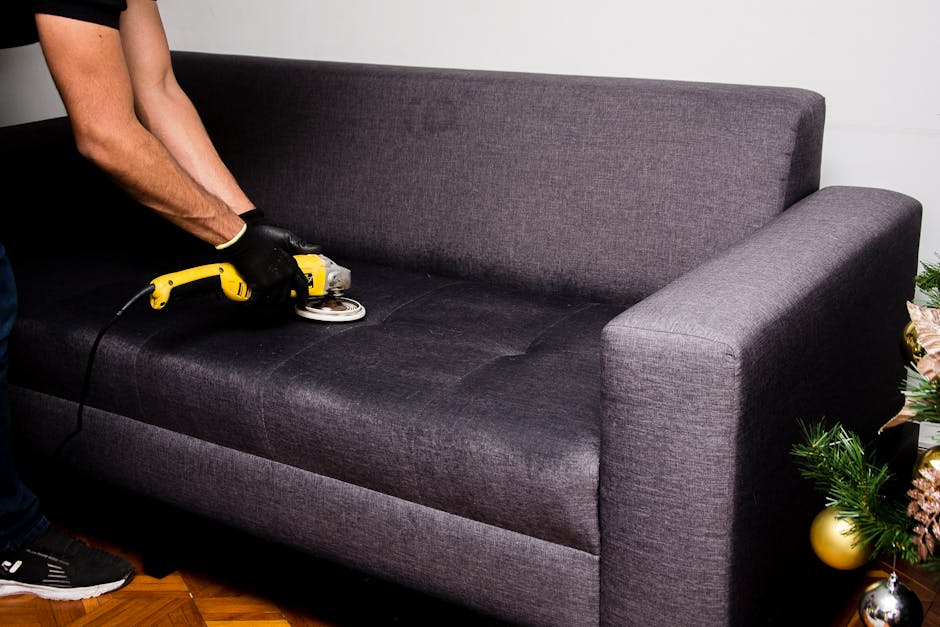
If you let property in West London, upholstery cleaning is one of those jobs that can quietly make a big difference. It helps you present a home properly, protect soft furnishings, and reduce the odds of avoidable disputes at the end of a tenancy. For Ealing landlords in particular, where rental properties range from period conversions to modern flats, the condition of sofas, dining chairs, headboards, and other upholstered items can shape first impressions fast. And let's face it, a room can look tidy and still smell a bit tired.
This guide explains what to know about upholstery cleaning for Ealing landlords in plain English: when it matters, how it works, what to look out for, and how to choose the right approach without overcomplicating things. You'll also find a practical checklist, a comparison table, and a few landlord-focused tips that are genuinely useful rather than fluffy. If you manage multiple properties, a one-off turnaround, or a move-in between tenancies, this will help you make better decisions. One small job, done well, can save a surprisingly large headache later.
Why upholstery cleaning matters for Ealing landlords
Upholstery sees more daily wear than many landlords realise. Armsrests absorb oils, cushions trap dust, and fabrics keep hold of food smells, pet odours, smoke residue, and general lived-in grime. In a rental property, those issues are not just cosmetic. They can affect how a viewing feels, how long a property takes to re-let, and how smoothly a deposit discussion goes.
In Ealing, where tenants often expect a clean, well-maintained finish, soft furnishings can become a subtle deciding factor. A spotless sofa or dining chair set tells a better story than a freshly painted wall alone. It suggests care, consistency, and proper management. That matters whether you let a furnished flat near the station, a family home, or a short-let property that needs to be turned around quickly.
There is also a practical side. Upholstery that is left dirty for too long can become harder to restore. Spills settle deeper into the fibres, body oils attract more dust, and bacteria can build up in fabric that never gets a proper refresh. Truth be told, once smells have soaked in, a quick surface wipe will not cut it. That is where a proper upholstery clean earns its keep.
For landlords who already use services such as end of tenancy cleaning or deep cleaning, upholstery often fits neatly into the same handover plan. It sits alongside carpets, ovens, and windows as part of the wider "make it ready for the next person" process.
How upholstery cleaning works
Professional upholstery cleaning is usually more involved than people expect. The exact method depends on the fabric type, the age of the item, and the type of soiling. A good cleaner will inspect the furniture first rather than jumping straight in. That bit matters. Not every sofa is safe to treat the same way, and a rushed approach can cause shrinkage, watermarking, or colour bleed.
The process often starts with identification: what is the upholstery made of, what stains are present, and how delicate is the fabric? Natural fibres, synthetic blends, velvet, and wool all behave differently. A trained technician should check care labels and test a small hidden area before using water, heat, or detergent.
Typical steps may include:
- vacuuming to remove loose dust, crumbs, and grit
- spot-testing cleaning solutions on a hidden patch
- pre-treating stains or high-traffic areas
- using the most suitable cleaning method, such as hot water extraction, low-moisture cleaning, or specialist stain treatment
- careful agitation or brushing where needed
- controlled extraction or wipe-down to remove residue
- drying support and final inspection
For some items, such as a sofa with a persistent odour problem, an added pet stain and odour removal treatment may be appropriate. For other items, especially delicate fabric chairs or curtains, a gentler approach such as sofa cleaning or even curtain cleaning may be more suitable than a heavy wet clean.
A decent provider will also explain drying time. That sounds obvious, but it is one of the most important details. A room can look clean at 3pm and still be unusable by evening if the fabric is damp. Time, air flow, and method all affect the result.
Key benefits and practical advantages
The main benefit is simple: clean upholstery makes a property feel better maintained. But there are several more practical advantages that matter to landlords.
- Better presentation for viewings. Fresh upholstery helps photos and in-person viewings feel brighter and more trustworthy.
- Reduced complaints from incoming tenants. A clean sofa or armchair can prevent awkward "this was left dirty" conversations at move-in.
- Longer life for furnishings. Regular professional care can help fabrics last longer and stay usable for more tenancies.
- Improved odour control. Upholstery often holds onto smells long after hard surfaces look clean.
- Better alignment with handover standards. If your property is cleaned thoroughly, it is easier to set clear expectations for the next tenancy.
There is also a less obvious benefit: confidence. When you know the furniture has been properly cleaned, you are less likely to second-guess whether it will pass muster at the next inspection. That little sense of certainty is worth something, especially when timelines are tight and everyone wants the keys handed over yesterday.
For landlords who use other property services such as move-out cleaning or move-in cleaning, upholstery cleaning can be the piece that makes the whole package feel complete rather than half-finished.
Who this is for and when it makes sense
This topic matters to more people than just portfolio landlords. It is useful for anyone responsible for a furnished or part-furnished rental, especially where soft furnishings are included as part of the tenancy.
You are likely to need upholstery cleaning if you are:
- preparing a furnished property for new tenants
- dealing with a deposit-sensitive end of tenancy
- refreshing a property after a long occupancy
- handling tenant turnover in a short-let or serviced-style property
- trying to remove food, pet, smoke, or drink stains
- restoring a sofa, dining chair set, or headboard before marketing the property
It is especially sensible where tenants have used the furniture heavily, or where the fabric has not been professionally cleaned for some time. A sofa in a family rental, for example, may look okay at first glance but still contain a dull build-up of dust and old spill marks that only show in daylight. Morning light can be unforgiving. Really unforgiving.
There are also situations where upholstery cleaning may not be enough on its own. If a sofa is structurally damaged, badly torn, or stained beyond realistic restoration, a landlord may need to consider replacement. If you are clearing out a property entirely, pair the clean-up with house clearance or broader house cleaning support where needed.
Step-by-step guidance
If you want a calm, organised approach, follow a simple sequence. It keeps the job efficient and reduces nasty surprises.
- Inspect the furniture first. Check fabric type, visible stains, smell, fading, tears, and any care labels. Take a quick note of any existing damage.
- Decide what needs cleaning. Sofas, armchairs, dining chairs, footstools, headboards, and fabric benches often need different attention. Do not assume everything needs the same treatment.
- Match the method to the material. Delicate fabrics may need low-moisture or specialist treatment, while sturdier upholstery may tolerate a deeper clean.
- Focus on problem areas. Arms, headrests, seat fronts, and cushions tend to take the most wear. These are the parts tenants notice, too.
- Ask about drying time. Drying matters for handover scheduling. If you need the property ready by a certain time, build in a buffer.
- Check the finish. Once the clean is complete, look for residue, lines, damp spots, or missed stains in natural light.
- Document the condition. Photos before and after are very helpful for your own records and for avoiding awkward debates later.
If the upholstery is part of a bigger clean, it is usually more efficient to book it alongside carpet cleaning or steam carpet cleaning. That way, the rooms are treated as a whole rather than as isolated jobs. It often feels more coherent, too.
Expert tips for better results
A few small choices make a big difference. In our experience, these are the details landlords tend to overlook.
- Do not leave spot treatment too late. Fresh spills are easier to lift than old, set-in marks. If a tenant reports a stain, act quickly.
- Use airflow wisely. Open windows where possible and keep heating sensible. A little circulation helps drying more than blasting the room with heat.
- Avoid over-wetting. Too much moisture can spread stains or leave the fabric with a sour smell. Not ideal, obviously.
- Test first, always. Even if a fabric looks sturdy, hidden colour loss can appear once moisture or detergent is applied.
- Think about the whole room. A clean sofa beside dusty blinds and grubby windows still looks half-done. Pair the job with window cleaning where it makes sense.
- Keep a simple cleaning record. A dated note showing that upholstery was professionally cleaned can be helpful when managing tenant expectations.
One practical tip that sounds almost too simple: take a photo of the care label before work starts. People lose labels, or they are tucked under cushions and forgotten. That tiny habit can save time later when a fabric question comes up again.
If you manage multiple properties, ask about cleaning packages rather than ordering each service separately. A broader refresh may be more efficient when handled together with one-off cleaning or domestic cleaning.
Common mistakes to avoid
Some mistakes are cosmetic. Others are expensive. The trick is knowing the difference before the damage is done.
- Using the wrong method for the fabric. What works on a synthetic sofa may ruin a delicate upholstered chair.
- Trying to hide stains with more product. More cleaner is not always better. Sometimes it just leaves residue and a sticky feel.
- Cleaning without checking for colour fastness. A quick test patch matters more than most people realise.
- Booking too close to handover time. If the upholstery is still damp when the new tenant arrives, that is a poor first impression.
- Ignoring odour as a sign of deeper contamination. Smells usually mean there is something in the fibres that surface cleaning has not reached.
- Assuming all stains are removable. Some marks can be improved but not erased. Setting realistic expectations is part of good landlord practice.
One more thing: do not base your decision only on price. Cheapest is not always worst, but it can be if the provider rushes the job, uses unsuitable products, or leaves the room wet and awkward for the next few hours. That kind of saving disappears quickly.
Tools, resources and recommendations
Landlords do not need to own every piece of cleaning equipment under the sun, thankfully. But it helps to understand what professionals typically use and why certain services are more suitable than others.
- Vacuum with upholstery attachments. Useful for dry soil removal before any wet treatment.
- Fabric-safe stain treatments. These help break down common marks like food, drink, and body oils.
- Extraction or low-moisture systems. The right choice depends on the fabric and drying expectations.
- Microfibre cloths and soft brushes. Helpful for delicate work and controlled agitation.
- Airflow and drying support. Practical, not glamorous, but very important.
When choosing a provider, it is worth asking whether they can also handle related items such as rug cleaning or mattress cleaning. That can be useful in furnished lets where fabric items age at different rates and need the same careful attention.
You may also want to review the company's operational pages before booking, especially if you are concerned about payment, service expectations, or safety. The pages on pricing and quotes, payment and security, insurance and safety, and health and safety policy are the sort of things a careful landlord should check. Not exciting reading, but sensible.
Law, compliance, standards, or best practice
This is not a heavily regulated niche in the way electrical work or gas safety is, but landlords still need to think in terms of duty of care, fair treatment, and good record keeping. UK tenancy practice generally expects properties to be returned in a reasonably clean and presentable condition, allowing for fair wear and tear. That principle applies especially when soft furnishings are included in the tenancy.
Best practice is to be clear from the start. If upholstery is part of the inventory, note its condition properly at check-in and check-out. Take photographs, keep item descriptions simple, and avoid vague wording such as "good condition" unless you have documented what that means. Clear records help everyone. They reduce the chance of disputes, and they make decisions easier when a tenant moves out.
If you are recovering costs from a deposit, always be careful and evidence-led. A mark on a sofa is not the same thing as wholesale replacement, and not every stain justifies a deduction. Be proportionate. That is the real watchword here.
For landlords using third-party cleaners, it is also wise to understand the provider's policies on complaints, privacy, and terms. You can review the company's terms and conditions, complaints procedure, and privacy policy before proceeding. If you care about sustainability, the recycling and sustainability page is also worth a glance. Small detail, yes, but details matter in property management.
Options, methods, or comparison table
Different upholstery situations call for different approaches. Here is a simple comparison to help you weigh the options.
| Method | Best for | Pros | Watch-outs |
|---|---|---|---|
| Basic vacuum and spot clean | Light maintenance between tenancies | Quick, low disruption, good for surface dust | Won't deal with deep odours or older stains |
| Low-moisture upholstery cleaning | Delicate fabrics and faster drying needs | Reduced drying time, less risk of overwetting | May not lift heavy soiling as aggressively |
| Hot water extraction | Robust fabrics with built-up grime | Deep refresh, strong soil removal | Needs careful drying and fabric suitability checks |
| Specialist stain or odour treatment | Pet marks, food spills, stubborn smells | Targeted treatment for problem areas | Not every stain can be fully removed |
For many Ealing landlords, the best choice is not one method in isolation but a mix: a standard clean for the whole item, then specialist treatment on the trouble spots. That balanced approach tends to be more realistic than expecting a miracle from one product or one machine. And to be fair, a miracle is not the brief.
Case study or real-world example
Here is a straightforward real-world scenario. A landlord is preparing a furnished two-bedroom flat for new tenants after a twelve-month tenancy. The sofa has faint darkening on the arms, one dining chair has a coffee mark, and the footstool smells slightly stale after months in a closed lounge. Nothing dramatic. Just enough to make the place feel tired.
Instead of replacing the furniture immediately, the landlord arranges upholstery cleaning as part of the wider end-of-tenancy work. The cleaner inspects the fabric, tests the hidden area, pre-treats the coffee stain, and uses the right method for the sofa material. The dining chair comes up better than expected, and the stale smell drops away after drying. The flat feels cleaner, brighter, and less "lived in".
That small change matters. Viewers are more comfortable, photos look better, and the landlord can present the property with more confidence. It is not flashy. It is just solid property management, which is usually what pays off in the long run.
If the property also needed a wider refresh, the landlord might have combined the work with move-in cleaning or regular cleaning once the new tenants were in place. That is often the smartest way to keep standards steady without repeatedly scrambling at the last minute.
Practical checklist
Use this before booking or approving upholstery cleaning for a rental property.
- Confirm which upholstered items are included in the tenancy inventory.
- Check visible stains, smells, fading, and wear before arranging work.
- Note the fabric type or photograph the care label.
- Decide whether the job is part of a wider clean or a standalone visit.
- Ask which method is suitable for the fabric and why.
- Check expected drying time and plan around key handover dates.
- Ask about spot treatment for pet, food, or drink marks if relevant.
- Review insurance, terms, and complaint handling before booking.
- Take before-and-after photos for your records.
- Inspect the finish in daylight once the work is complete.
If you want the refresh to feel complete, it can also be sensible to schedule related services such as oven cleaning or window cleaning. Small details add up. They always do.
Get a free quote today and see how much you can save.
Conclusion
For Ealing landlords, upholstery cleaning is not just a nice extra. It is a practical part of maintaining a rental property properly. Done well, it improves presentation, supports handovers, helps manage odours and stains, and reduces the risk of avoidable friction with tenants. Done badly, it can leave damp fabric, patchy results, or a bigger problem than the one you started with.
The main thing to remember is this: match the method to the fabric, plan for drying, keep records, and treat upholstery as part of the bigger property picture. That mindset tends to produce better lettings outcomes than treating fabric care as an afterthought. One clean room can change the whole feel of a property. Sometimes quite dramatically, actually.
And if you are ever unsure, ask for a clear explanation before work begins. Good service should feel calm, practical, and straightforward. That is usually the sign you are dealing with people who know what they are doing.
Frequently Asked Questions
What is upholstery cleaning for landlords?
It is the professional cleaning of fabric-covered furniture such as sofas, chairs, benches, and headboards. For landlords, it is usually done to refresh a furnished rental between tenancies or deal with stains and odours.
How often should a rental property's upholstery be cleaned?
There is no single rule, but many landlords arrange cleaning between tenancies or whenever the furniture looks visibly dull, stained, or smells stale. Heavily used rentals may need more frequent attention.
Is upholstery cleaning worth it for furnished lettings?
Usually, yes. It improves presentation, can extend the life of furniture, and helps the property feel better maintained. In furnished lets, that matters more than people sometimes think.
Can upholstery cleaning remove pet odours?
It can often reduce or remove pet odours, especially when paired with targeted treatment. Results depend on how deep the smell has penetrated the fabric and padding.
Will upholstery cleaning damage delicate fabrics?
It should not if the cleaner uses the right method and tests the fabric first. Delicate materials need careful handling, which is why inspection matters before any wet cleaning starts.
How long does upholstery take to dry?
Drying time varies by fabric, method, room ventilation, and how much moisture was used. Some items dry fairly quickly, while deeper cleans can take longer. It is best to ask before booking.
Should landlords clean upholstery before a new tenant moves in?
Yes, if the furniture is part of the tenancy and has been used previously. A fresh clean helps the property feel ready and reduces the chance of complaints at move-in.
Can I just spot clean the stains myself?
You can try for small marks, but it is easy to over-wet the fabric or spread the stain. For anything larger, older, or odorous, professional cleaning is usually the safer route.
Does upholstery cleaning count as part of end of tenancy cleaning?
It often does when furniture is included in the property. Many landlords treat it as part of the wider handover process alongside carpets, ovens, and general deep cleaning.
What should I ask a cleaning company before booking?
Ask about the fabric type, cleaning method, drying time, insurance, terms, and whether they handle stain or odour issues. A good provider will answer clearly and without fuss.
How do I avoid disputes over upholstered furniture at checkout?
Keep a clear inventory, take dated photos, note the original condition, and document any professional cleaning carried out. That gives you a fairer basis for discussion if something changes during the tenancy.
Can upholstery cleaning be booked with other services?
Yes, and it often makes sense to combine it with carpet cleaning, move-out cleaning, or move-in cleaning. Bundling services can be more efficient and gives the property a more complete finish.
Where can I learn more about the company before booking?
You can review the company's about page, policies, service information, and pricing details to get a clearer picture before making a decision. That is the sensible thing to do, really.