Communal area Cleaning in Ealing
Keeping shared spaces clean, safe, and welcoming makes a real difference to how a property feels and functions. For blocks of flats, converted houses, estates, HMOs, office buildings, and mixed-use developments, Communal area Cleaning in Ealing is about more than appearances. It supports hygiene, comfort, tenant satisfaction, and a better first impression for anyone walking through the building.
Ealing has a wide mix of property types, from period conversions and mansion blocks to modern apartment developments and busy commercial premises. That variety brings different cleaning needs: stairwells with heavy footfall, lifts that need regular attention, entrance lobbies that collect dust quickly, and bin stores that require careful sanitising. A reliable local team understands these pressures and can keep on top of them without disrupting residents, visitors, or staff.
Whether you manage a small residential block near Ealing Broadway, a larger estate around South Ealing, or a mixed property closer to West Ealing or Acton borders, routine communal cleaning helps keep standards consistent. If you are looking for a practical, dependable service with a local understanding of access, parking, and property layouts, this page explains what is included, how the service works, and why so many building owners prefer a nearby team.

What communal area cleaning covers
Communal spaces are the parts of a building that everyone shares, so they tend to show dirt and wear faster than private flats or offices. A well-planned cleaning routine focuses on the high-contact areas that affect daily life most. In many buildings, these spaces are the first thing residents see when they come home and the first thing visitors notice when they enter.
Communal area cleaning services can be tailored to the type of building and how heavily it is used. Some properties need daily attention, while others benefit from weekly or fortnightly visits. The right schedule depends on the number of occupants, the amount of traffic, whether bins are stored inside or outside, and how quickly dust, litter, or spills build up.
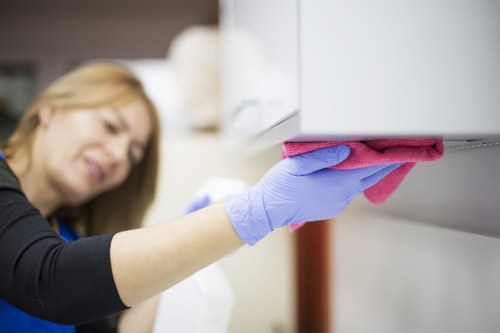
Typical tasks may include sweeping and mopping floors, vacuuming carpets, wiping banisters and handrails, cleaning entrance doors, removing cobwebs, and making sure shared touchpoints are hygienic. In busier blocks, there may also be a need for internal window cleaning, lift care, litter removal, and extra attention to refuse areas.

Why communal cleaning matters in Ealing properties
Ealing includes a broad range of neighbourhoods and developments, and each one brings its own demands. Busy apartment blocks near transport links can collect mud and litter quickly, particularly in wet weather. Older conversions may have narrow staircases, shared hallways, and decorative surfaces that need careful handling. Larger estates often need a service that can cover multiple entrances, landings, and bin areas in a consistent way.
Regular communal area cleaning in Ealing helps reduce the build-up of dust, grime, and unpleasant odours. It also supports a better experience for residents who expect their building to feel looked after. In shared buildings, cleanliness can affect how people treat the space too; when areas are maintained properly, there is often less littering, less damage, and more pride in the property.
For managing agents, freeholders, landlords, resident management companies, and commercial property managers, a professional cleaning arrangement can make day-to-day oversight easier. Instead of dealing with sporadic complaints about dirty landings, smudged glass, or overflowing bin rooms, you can rely on a regular schedule and documented standards that keep the property presentable.

Our approach to shared space cleaning
Every building is different, so an effective service starts with the layout, the number of floors, the flooring materials, and the type of traffic the property receives. A practical plan may begin with a walkthrough to identify the most frequently used areas and the tasks that need priority. That could mean focusing on entrance halls and staircases in one property, while another may require more attention to lift lobbies, glass doors, and cycle storage points.
We aim to keep the service straightforward, dependable, and easy to manage. The cleaning schedule is designed around your building’s needs, with clear tasks agreed in advance. That helps make sure nothing important is missed, whether the property is a small residential block in Northfields, a larger development near Ealing Common, or a commercial building close to Uxbridge Road.
Because communal spaces are shared by many people, consistency matters. A one-off tidy-up can improve the look of a property, but ongoing cleaning is what keeps the building in good condition over time. It also helps the team notice issues early, such as repeated spillages, blocked corners, damaged fittings, or areas that need extra care due to heavy use.
What is typically included
The exact checklist depends on the building, but many customers ask for a service that covers the everyday tasks that make a visible difference. The following list gives a good sense of what is often included in communal cleaning for Ealing properties:
- Cleaning entrance halls, lobbies, and reception-style shared areas
- Vacuuming carpets and mats in stairwells, corridors, and landings
- Mopping hard floors and removing sticky marks or light spill residue
- Dusting skirting boards, ledges, sills, and other accessible surfaces
- Wiping bannisters, handrails, door handles, and other touchpoints
- Cleaning lift interiors, call buttons, and surrounding surfaces
- Removing cobwebs from corners, ceilings, and high-access areas
- Cleaning internal glass, mirrors, and entrance doors where required
- Checking and tidying bin stores, refuse areas, and recycling points
- Picking up visible litter and keeping shared walkways neat
- Reporting obvious issues such as damage, leaks, or access problems
Some properties also need communal hallway cleaning, periodic deep cleaning, or a service that includes external sweep-ups around the immediate entrance. If your building has special finishes, heritage features, or sensitive surfaces, these can be factored into the cleaning plan so that they are treated with the right products and methods.
For residential buildings, residents often value a service that pays attention to the small details, such as corners, lift thresholds, and marks on glass. For commercial premises, the focus may shift more towards presentation, hygiene, and keeping entry points smart during busy hours. Either way, the goal is the same: a shared space that feels cared for and professionally maintained.

How the service works
A good cleaning service should feel simple to set up and easy to maintain. Most customers want clarity from the start: what will be cleaned, how often, and how the work will fit around residents or staff. That is especially important in Ealing, where many buildings have limited on-site storage, narrow access routes, or shared entry systems.
Usually, the process begins with a discussion about your property and its current condition. The team then works out a suitable cleaning routine based on the building’s layout, the number of communal areas, and the level of footfall. This can include daily, weekly, or customised visits, depending on what is needed to keep standards where they should be.
Once the schedule is in place, the service focuses on reliable visits and consistent results. If there are access codes, key holding arrangements, or specific instructions for resident-friendly cleaning times, these should be built into the plan. The best local teams understand that cleaning in a shared environment is not only about the task itself, but also about being considerate to the people who live or work there.
Working around local access and parking challenges
Ealing can bring practical challenges that a local team will already be familiar with. Parking can be limited near busy high streets, and some blocks have tight service access or restricted loading spaces. Period properties may have awkward stair layouts or shared entries that need careful manoeuvring. A local provider is more likely to plan for these issues realistically rather than treating every building the same.
This matters because punctuality and efficiency are part of the service. If a cleaner arrives prepared for the property layout, carries the right equipment, and understands the best way to access the building, the visit is smoother and less disruptive. That helps keep the building looking good without creating unnecessary inconvenience for residents or building users.
Benefits for residents, landlords, and managing agents
Professional shared area cleaning brings benefits that go well beyond a neat appearance. Clean corridors and entrances contribute to a more pleasant daily routine, while hygienic touchpoints reduce the sense of shared grime in busy buildings. For people returning home after work, school runs, or commuting, stepping into a clean lobby or staircase can make the whole property feel more cared for.
For landlords and managing agents, a regular service can help protect the condition of the building. Dirt and moisture can wear down flooring, stain carpets, and leave marks on painted surfaces if left for too long. A consistent cleaning schedule helps reduce long-term maintenance issues and can support the value of the property by keeping shared areas in better condition.
For resident management companies and freeholders, the right arrangement can also make communication easier. When residents know that communal spaces are cleaned regularly, there are usually fewer frustrations about neglected hallways or uncollected litter. It creates a more stable environment where expectations are clearer and standards are easier to maintain.
Useful outcomes you can expect
- A cleaner, fresher first impression for visitors and residents
- Reduced build-up of dust, litter, and everyday grime
- Better presentation for viewings, inspections, and building checks
- More hygienic touchpoints in shared high-traffic areas
- Less pressure on building managers to handle repeated cleaning complaints
- Improved care for flooring, glass, and commonly used surfaces
Types of properties we can support
Ealing’s housing and commercial property mix means no two cleaning schedules are quite the same. Some customers only need a simple weekly visit to maintain a small hallway and stairwell, while others need a more detailed routine across multiple floors and entrances. A flexible service can be adjusted to suit the building rather than forcing the building to fit the service.
Common property types that often need communal area cleaning include:
- Purpose-built apartment blocks
- Converted Victorian and Edwardian houses
- Mixed-use buildings with shops below and homes above
- Private estates and residential developments
- HMOs with shared hallways, stairs, and entrances
- Office buildings and professional premises with shared access areas
- Community buildings and managed facilities
Some of the most common challenges appear in older properties where staircases are narrow, lighting is limited, or decorative features need a careful hand. Newer developments may have larger glazed entrances, lift lobbies, and secure entry systems that must be cleaned without disturbing residents. In either case, a good cleaning plan should match the materials, footfall, and routines of the building.
Why choose a local Ealing cleaning team
Choosing a local service has practical advantages. A team that already works across Ealing, South Ealing, North Ealing, West Ealing, Ealing Common, Hanwell, and nearby areas is more likely to understand the local pace of life, the layout of common property types, and the everyday issues that affect shared spaces. That local familiarity can make scheduling, access, and communication easier.
Local teams also tend to respond more flexibly when a building needs attention around a change in occupancy, an increased footfall period, or a seasonal problem such as mud, wet leaves, or salt tracked in during colder months. When communal cleaning is being carried out close to home, the service can be planned with a better sense of real-world travel time and building access.
For many customers, this local knowledge is a major reason to book nearby rather than relying on a distant provider. It helps keep the service practical, consistent, and aligned with the realities of Ealing properties, where some buildings have awkward entrances, limited visitor parking, or shared courtyards that require tidy, careful work.
What to look for in a communal cleaning service
If you are comparing providers, it helps to focus on how well the service fits your building rather than only looking at broad promises. You want a team that understands shared environments, works neatly around residents or staff, and can keep to a reliable routine. A good provider should be able to explain what will be cleaned, how often, and how changes will be handled if your property’s needs evolve.
Useful questions to ask before you book include:
- Does the cleaning plan match the actual layout of the building?
- Can the schedule be tailored to footfall and occupancy levels?
- Are the cleaners comfortable working in residential and commercial shared areas?
- How are access arrangements, keys, and entry instructions managed?
- Can the service include extra tasks such as lift care or bin store cleaning?
- How are concerns, missed areas, or changes in the property handled?
Asking these questions can help you choose a service that feels dependable and transparent. Communal cleaning works best when expectations are clear from the outset and the team knows exactly what standard the building requires.
Pricing factors to consider
Because every shared property is different, pricing depends on a few practical factors rather than a single fixed formula. The size of the building, the number of floors, the frequency of visits, and the tasks included will all affect the final quote. A small hallway in a converted house will usually need a different level of input than a large residential block with multiple entrances, lifts, and waste areas.
Other factors can include the condition of the property, whether the cleaning is ongoing or requires a one-off reset, the accessibility of the building, and whether specialist tasks are needed. For example, some sites may need extra care for glass panels, polished surfaces, or heavier litter collection around entrance points. Seasonal requirements can also matter, especially when wet weather or leaf fall increases the amount of dirt brought inside.
Rather than focusing only on cost, it is often more useful to think about value: the consistency of the schedule, the suitability of the tasks, the quality of communication, and the time saved for managers or residents. If you are ready to find out what a tailored service would involve, request a free quote and discuss the needs of your property.
Preparation checklist before your first visit
Most communal cleaning services are easy to set up, but a little preparation can help the first visit run smoothly. This is especially true in buildings with controlled access, limited storage, or shared facilities that need special handling. The aim is to make sure the cleaning team can work efficiently without interrupting daily routines.
Helpful preparation steps
- Confirm access arrangements, key collection, or entry codes in advance
- Identify the areas that should be cleaned and any spaces to avoid
- Let the team know about delicate finishes, heritage features, or special flooring
- Clear away personal items, parcels, or stored objects from shared walkways
- Flag any recurring issues such as leaks, damaged lights, or blocked corners
- Share preferred cleaning times if residents, visitors, or staff use the area heavily
These small steps help the service run more smoothly and reduce the chance of confusion. They also support a better outcome because the team can focus on the right tasks without having to work around avoidable obstacles.
Areas covered across Ealing and nearby locations
Local coverage matters when you want a reliable service that can fit around the day-to-day realities of building management. A team working in and around Ealing should be able to support properties across the borough and neighbouring districts where shared entrances, communal hallways, and managed buildings are common.
Areas often associated with communal cleaning requests include Ealing Broadway, Northfields, South Ealing, Ealing Common, West Ealing, Hanwell, Pitshanger, North Ealing, Perivale, Acton borders, and nearby residential and mixed-use neighbourhoods. Different locations may bring different building styles, but the need for clean, safe shared spaces is the same.
If your property sits near a busier road, a transport hub, or a high-footfall neighbourhood, the building may need a little more frequent care. If it is in a quieter residential street, a regular but less intensive schedule may be enough. The service should be shaped around what your property genuinely needs, not around a one-size-fits-all plan.
Residential and commercial customers
Communal cleaning is not limited to apartment blocks. Many commercial customers also need shared access areas cleaned properly, especially where staff, tenants, clients, or visitors pass through regularly. Office buildings, professional suites, and mixed-use premises often benefit from the same type of attention as residential properties, though the schedule and tasks may differ.
For residential customers, priorities often include hygiene, presentation, and keeping shared zones pleasant for daily use. For commercial premises, the focus may shift slightly towards maintaining a professional feel, reducing visible dust, and making sure entrances and corridors stay presentable throughout the working week. In both cases, a clean communal space sends a strong message about how the property is managed.
Well-maintained shared spaces support comfort, confidence, and better use of the building. That is why many property managers choose to set up a regular service rather than waiting until the building starts to look tired or neglected.
Frequently asked questions
How often should communal areas be cleaned?
The right frequency depends on the number of residents or users, the size of the property, and how quickly dirt builds up. Busy buildings may need several visits each week, while smaller blocks may only need weekly cleaning. A tailored schedule is usually the best way to keep standards consistent.
Can the service be adapted for older buildings?
Yes. Older properties often need a more careful approach, especially where there are period staircases, decorative finishes, or tight access points. The cleaning plan can be adjusted to suit the materials and layout of the building.
Do you clean bin stores and refuse areas?
Many communal cleaning arrangements include bin storage spaces, refuse points, and surrounding areas, because these spaces can affect the cleanliness and smell of the whole building. The exact inclusion depends on the service plan agreed for the property.
What if the building has limited parking or access restrictions?
This is common in Ealing, and a local team should be able to plan around it. Advance access instructions, timed visits, and clear entry arrangements can help the service run smoothly without disruption.
Can communal cleaning help reduce complaints from residents?
It often can. Regular, visible cleaning helps prevent the build-up of dust, litter, and marks that commonly lead to complaints. It also shows that the building is being looked after consistently.
Is this suitable for both homes and businesses?
Yes. Communal cleaning is useful in residential blocks, HMOs, mixed-use buildings, offices, and other premises with shared access areas. The tasks and frequency can be adapted to suit the property type.
Book a local service for your building
If you want cleaner hallways, tidier entrances, and better-managed shared spaces, a local communal cleaning service can make a noticeable difference. Ealing properties benefit from a team that understands the area, works around access limitations, and keeps a steady focus on the spaces people use every day.
Whether you manage a small block, a larger estate, or a commercial building, regular cleaning can help your property stay more presentable and easier to maintain. If you are comparing options or planning a new cleaning schedule, now is a good time to take the next step.
Contact us today to request a free quote, discuss your building’s needs, or book your service now.