Carpet Cleaning in Ealing

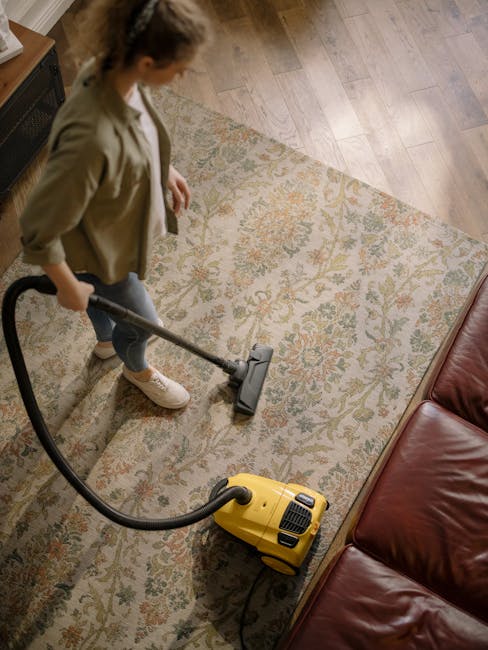
Carpet Cleaning Ealing provides carpet cleaning in Ealing for homes, flats, rental properties and workplaces that need fibre care, stain treatment and a cleaner finish underfoot. Our service is centred on practical carpet maintenance rather than decorative promises, with a focus on removing soil, refreshing pile and treating problem areas in a way that suits the material and the room. When carpets are tired, marked or holding odours, a considered clean can make the surface feel more presentable and easier to live with.
We work on a range of carpet conditions, from routine maintenance through to more detailed stain removal where marks have settled into traffic lanes, stairs or doorway areas. Different fibres and constructions call for different methods, so the right approach matters as much as the equipment. Our aim is to match the clean to the carpet, not push every job through the same process. If you are comparing options, a pricing and quotes page can help you think through the information usually needed for an accurate quotation.
For a straightforward start, tell us the rooms, the carpet type if you know it, and the main issues you want addressed. That may include general freshening, a specific stain, pet odour, or preparation before guests, tenants or buyers arrive. You do not need to over-explain the job; a clear outline is usually enough. Please get in touch for a quotation when you are ready.
How our carpet cleaning service works

Effective carpet cleaning begins with inspection. We look at fibre type, pile condition, staining, wear patterns and access so the method suits the surface rather than forcing a one-size-fits-all result. A careful assessment helps decide where pre-treatment is needed, whether agitation should be light or more thorough, and how much moisture the carpet can sensibly take. That is especially important where a carpet has already been cleaned several times or contains a mix of marks that have built up over time.
After the initial assessment, we focus on loosening embedded dirt and attention areas before the main clean. Edges, entry points and high-use walkways often hold the most soil, while furniture positions can leave lighter shading or compressed pile. The best result usually comes from working methodically through these differences rather than treating the carpet as one flat surface. Careful preparation matters, because it supports a more even finish and reduces the chance of untreated patches.
For customers wanting a broader clean across the property, our service can sit alongside deep cleaning when carpets form part of a wider refresh. That can be useful if you want floors, soft furnishings and room surfaces handled in a coordinated way, but the carpet itself still receives its own dedicated attention. The exact steps depend on what the carpet needs, not on a fixed script.
Stain removal and traffic lane treatment

Stains often need a more targeted approach than the rest of the carpet. Food spills, drink marks, tracked-in soil and general wear can all behave differently, so the first decision is whether a mark is likely to respond to a general clean, a spot treatment or a combination of both. Some stains remain visible because they have bonded with the fibres, while others are mostly a surface contamination that needs careful release. Accurate treatment depends on identifying that difference early.
Traffic lanes are another common concern. These are the areas that receive repeated footfall, so dirt can settle more deeply and create a darker path through halls, living rooms or office circulation routes. In these sections, the cleaning process may need extra dwell time, more focused pre-treatment or a staged approach to lift the build-up gradually. It is usually better to work patiently than to overwork the pile in one pass. Good stain work balances action with restraint, especially on delicate or older carpet.
Where stain issues extend beyond carpet and into nearby soft furnishings, there may be value in pairing this service with upholstery cleaning. That is not always necessary, but it can be sensible where the same spills, odours or household use have affected more than one fabric surface. The key is to treat each material appropriately so one room does not look cleaner than the other by accident.
Domestic carpets, hallways and stairs
Many domestic jobs involve the rooms people use most, such as lounges, bedrooms, landings and staircases. These areas tend to show wear in different ways. Bedrooms may need a lighter maintenance clean, while stairs and halls can be heavily marked because of repeated movement and turning. A sensible service plan takes that layout into account and avoids spending equal effort on every room when the condition is clearly uneven. That approach helps keep the work efficient and the result more consistent.
Stairs deserve particular care because they combine corners, edges and compact surfaces that trap dirt in a confined space. The leading edge of each step, the bannister side and the narrow turns all need methodical attention. On landings and hallways, the challenge is usually the pattern of traffic rather than a single visible stain. A clean in those areas often improves the whole route through the home, even before attention turns to the rest of the carpeted rooms.
If you are also arranging a broader property refresh before moving, you may want to look at move out cleaning alongside carpet work. Carpet cleaning can be one part of preparing rooms for handover, but the exact mix of tasks depends on the property and the surface condition. We can help with the carpet element without assuming every other cleaning task is required.
Commercial carpet cleaning for workspaces
Commercial carpet cleaning has different priorities from domestic work because the floors often carry more foot traffic, more varied soil and stricter presentation needs. Offices, reception areas, shared corridors and meeting rooms can all build up dirt in predictable paths. A practical clean focuses on these high-use zones first, while also respecting access needs, equipment placement and the pattern of daily activity. The aim is to restore a professional appearance without causing unnecessary disruption.
In business premises, carpet care often needs to fit around opening hours, desks or fitted furniture. That means planning where to start, which areas can be tackled in sections and how long the carpet should be left before normal use resumes. We do not assume every job is the same; some sites need a single room refreshed, while others need a larger programme of carpet maintenance. For related work in shared spaces, office cleaning can be useful where floors form part of a wider upkeep routine.
Commercial clients also tend to want a clear scope. That can include reception carpets, corridors, stairs, meeting rooms or desk-side walkways, depending on how the building is used. A specific list helps keep the quotation accurate and the work focused on the right surfaces. If you are comparing services, think first about the parts of the premises that actually need carpet attention rather than asking for a vague whole-floor clean.
Specialist carpet issues and fabric care
Some carpets need more than a standard refresh because they are affected by pet odour, repeated spills, heavier soiling or a pattern of localised marks. In those cases, treatment often begins with identifying the cause of the problem rather than simply masking it. A smell source hidden in the pile or backing may need different attention from a visible stain on the surface. That is why specialist carpet work is as much about diagnosis as it is about application.
Materials matter too. Wool, synthetic blends and other fibre types respond differently to water, agitation and cleaning products. Older carpets or those with a fragile pile may need a gentler method, while robust modern carpet can sometimes cope with deeper treatment. Our approach remains tied to the carpet in front of us, not to assumptions about what the material ought to tolerate. This is where careful technique makes a real difference to the result and to the life of the carpet.
For households dealing with persistent marks, a combined approach may be sensible, especially where the problem crosses carpets and rugs. In those cases, pet stain odour removal can be relevant as part of a broader plan, though not every job needs that level of treatment. The best outcome comes from matching the service to the actual issue rather than choosing the most extensive option by default.
About Ealing
Ealing is a large district in west London with a long-established town centre, residential streets, green spaces and a varied built environment that reflects different periods of expansion. It sits within the London Borough of Ealing, and its identity is shaped by a mix of older village origins and later suburban growth linked to transport improvements in the nineteenth and twentieth centuries. The area includes a range of architecture, from Victorian and Edwardian terraces to post-war housing and more recent redevelopment, which gives many streets a layered appearance. Ealing Broadway serves as a major commercial and transport focus, while the surrounding neighbourhoods create a broader patchwork of local centres and quieter residential pockets.
Choosing the right carpet cleaning option

Choosing between a lighter maintenance clean and a more detailed treatment usually comes down to condition, usage and the type of result you want. If the carpet is mainly dull with everyday soil, a general clean may be enough. If there are stains, odours or heavy traffic lanes, you may need additional pre-treatment and more time on the affected sections. It is sensible to think in terms of what the carpet is showing rather than asking for the most intensive method by habit.
Some customers prefer to concentrate on a few key rooms, while others want the whole property handled in one visit. A selective approach can be efficient when only one area is giving problems, but full-home carpet cleaning may be better where the floorcovering shares the same age and wear across several rooms. You can keep the scope simple by listing the spaces that matter most, along with any unusual marks, room access limits or furniture that needs to be worked around.
If you would like carpet cleaning alongside a larger property visit, you can also explore one off cleaning where a single detailed service may suit your plans. That can be useful when carpets are part of a broader reset after guests, renovations or a long gap between proper cleans. The service choice should reflect the property, not force every room into the same level of treatment.
Quotation details and service planning
Quotation accuracy improves when the key details are clear from the outset. Room count, carpet type, visible staining, stairs, access and any special concerns all help shape the work involved. It also helps to mention whether the job is for a home, rental, office or shared space, because the layout and scheduling may differ. A concise outline is usually enough to begin with, and extra detail can be added if a particular section needs special attention.
The main factors affecting the scope are usually the size of the area, the level of soiling and whether the carpet needs targeted treatment for marks or odours. In a larger property, different rooms may call for different methods, so a sensible plan separates routine areas from problem areas. If you are arranging carpet cleaning with other services, it is often best to decide which surfaces need priority first and then build the quotation around that sequence.
When you are ready, use the contact details on the site or go to contact us to request a quotation. A short description of the carpet condition, plus the rooms or areas involved, is enough to begin the conversation. We will then help shape the service around the work your carpets actually need.
Carpet care between cleans
Good carpet care does not end when a professional clean is complete. Regular vacuuming, prompt attention to fresh spills and sensible use of entrance mats can help reduce the rate at which dirt settles into the pile. These measures are simple, but they matter because carpet fibres hold particles differently from hard floors. Once soil is ground in, the clean becomes more involved, especially in walkways and turning points where pressure is repeated day after day.
Households with children, pets or frequent visitors often find that small habits make a noticeable difference. Removing shoes in the right places, blotting rather than rubbing spills and keeping an eye on areas near food, drink or pet bedding all help preserve appearance. If a mark is uncertain, it is usually better to avoid improvised treatment until you know what the fibre can handle. That caution reduces the risk of spreading the stain or altering the pile.
For customers who want to align floor care with general property upkeep, regular cleaning can complement periodic carpet treatment. The two services work differently, but together they can help keep the whole home or workplace presentable for longer. That can make future carpet maintenance simpler because dirt has less chance to accumulate unnoticed.