Curtain Cleaning in Ealing
If your curtains are looking a little tired, holding on to dust, or carrying everyday odours from cooking, pets, or busy family life, professional curtain cleaning in Ealing can make a noticeable difference to the feel of your home or workplace. Curtains do more than frame a window: they soften sound, improve privacy, reduce glare, and add warmth to a room. Because they hang quietly in the background, they are often cleaned far less often than carpets or sofas, yet they can collect dust, pollen, smoke residue, and airborne particles over time.
Local customers in Ealing often ask for a service that is careful, convenient, and suited to the property. That matters because homes around Ealing range from Victorian terraces and Edwardian conversions to modern apartments, family houses, and larger commercial premises. Each setting can bring different access challenges, fabric types, and cleaning needs. A professional curtain care service should take all of that into account, from the first inspection through to the final finish.
Whether you need a full refresh for heavy lined drapes, a delicate treatment for silk or velvet curtains, or regular upkeep for office window coverings, the aim is the same: clean curtains that look better, smell fresher, and help your rooms feel more comfortable. If you are comparing local options and want practical information before you book, this page explains what is included, how the process works, what affects pricing, and why a local specialist can be the right choice.
Why curtain care matters in Ealing homes and businesses

Curtains naturally trap dust and fine debris from the air. In an area like Ealing, where busy roads, changing weather, and urban activity can bring extra particles into the home, fabrics can dull more quickly than many people expect. Regular cleaning helps maintain a fresher appearance and supports a more pleasant indoor environment, especially in rooms used every day such as lounges, bedrooms, meeting rooms, reception areas, and dining spaces.
Many local homes also have tall windows, bay windows, or period features that make curtains a key design element. When the fabric starts to lose colour depth or gather visible dust along the hems and pleats, the whole room can feel less polished. Professional cleaning can restore much of that lost freshness while being far gentler than many people trying to handle large fabrics themselves.
Commercial customers in Ealing have different needs, but the same principle applies. Offices, clinics, hospitality venues, schools, and shared buildings all benefit from well-maintained window dressings. Clean curtains contribute to a more welcoming atmosphere for staff, visitors, and clients. They also support regular property upkeep, particularly in spaces where first impressions matter.
Common signs your curtains need attention
You may not always see obvious staining, but curtains often show their condition in more subtle ways. If you notice any of the following, it may be time to arrange curtain cleaning:
- Visible dust on folds, hems, or headings
- Musty or stale odours in the room
- Faded colour near windows exposed to sunlight
- Marks caused by fingerprints, pets, or everyday contact
- Heavier-looking fabric that no longer hangs neatly
- Allergy symptoms that seem worse in rooms with fabric soft furnishings
In many cases, people wait until curtains look dramatically dirty before arranging care. A more regular approach is usually better for appearance, fabric condition, and convenience.
What our curtain cleaning service includes

A good curtain cleaning service should be tailored to the fabric, the style of curtains, and the needs of the property. There is no single treatment that suits every material. A professional cleaner will normally begin with an assessment to identify the fabric type, lining, construction, dye stability, and any problem areas before deciding on the safest cleaning method.
The process may include inspection, dust removal, treatment of surface soils, odour reduction, stain attention where suitable, and careful finishing so the curtains hang well after cleaning. Depending on the fabric and the condition of the curtains, cleaning may be carried out on-site or by a specialist off-site process. The best option depends on what will protect the material and deliver the best result.
Clients often appreciate that professional care is about more than just appearance. It can also help reduce dust build-up, keep fabrics in better condition for longer, and save time compared with trying to take large curtains down, clean them, and rehanging them alone. For households with busy schedules or commercial spaces that cannot afford unnecessary disruption, this convenience is a major benefit.
Typical service steps
- Initial assessment of the curtain fabric, lining, and condition
- Careful dust and debris removal before deeper cleaning
- Appropriate cleaning method selection based on material and soiling
- Targeted spot treatment for common marks where suitable
- Freshening and finishing to support a neat drape
- Rehanging support or advice depending on the service arrangement
Important: delicate fabrics, interlined curtains, blackout linings, antique textiles, and decorative finishes may require extra care. That is one reason customers in Ealing often prefer a local specialist who can assess the job properly rather than offering a one-size-fits-all service.
Fabrics we are often asked about
Every curtain set is different, but common fabrics include cotton, polyester blends, linen, velvet, chenille, silk, and lined or interlined designs. Each has its own strengths and care requirements. For example, velvet can be beautiful but sensitive to moisture and pressure, while sheer curtains may need a gentler approach than heavier drapes. A professional service should make these differences clear before any work begins.
Why local experience matters for curtain cleaning in Ealing

Choosing a local team can make the service easier from start to finish. Ealing properties can present different access issues depending on the street, building type, and parking situation. Some homes are in busy residential roads with limited space for unloading equipment. Others are in upper-floor flats, converted buildings, or houses with narrow staircases and awkward window access. Local knowledge helps a cleaner plan the visit more efficiently and avoid unnecessary disruption.
There is also value in understanding the way local properties are used. Many homes in Ealing are family properties with high day-to-day traffic, while others are rentals, short-let spaces, or owner-occupied flats that need to look their best for guests or inspections. Commercial sites may need discreet scheduling outside core hours. A nearby service is often more flexible and better able to work around these practical needs.
Ealing also has a varied property landscape across areas such as Ealing Broadway, South Ealing, West Ealing, Northfields, Hanwell, Acton borders, Pitshanger, and parts of nearby Shepherd’s Bush or Chiswick that regularly use local cleaning support. That variety means curtain cleaning requests can range from compact apartment window dressings to large period-home curtains with deep pleats and specialist linings.
Residential and commercial customers we help
- Family homes with everyday dirt build-up
- Flats and apartments with limited drying or access space
- Period properties with traditional curtain styles
- Landlords and letting agents preparing a property for new occupants
- Offices and studios needing a cleaner, more professional look
- Hospitality, reception, and client-facing spaces
When a local cleaner understands the property type and the area, they can usually offer better timing, better preparation, and a more practical service overall.
Parking and access considerations
In parts of Ealing, parking can be tight or time-restricted, and some buildings have controlled entry or shared access. It helps to choose a service that can plan for those realities. That may mean discussing loading points, lift access, stair access, or the best time to attend. These small details can make the experience smoother and less stressful.
How the curtain cleaning process works

Customers often want to know exactly what happens once they book. While every job is slightly different, the process usually follows a simple and organised pattern designed to protect the fabric and reduce disruption. Clear communication is important, especially where curtains are large, fragile, or fixed in a way that makes removal more involved.
At the start, the cleaner will normally ask about the fabric, any visible marks, whether the curtains are lined, and whether there are any special concerns such as fading, shrinkage risk, or previous damage. This helps decide whether the curtains should be cleaned in place or taken away for specialist treatment. In some cases, a dry cleaning approach may be more appropriate; in others, a low-moisture treatment or careful on-site clean may be the better choice.
After cleaning, the curtains may be allowed to dry naturally, finished in a way that supports their shape, and rehung if part of the arrangement. Good cleaning should leave the room tidy and the curtains looking refreshed, not stretched out, over-wet, or left with unnecessary creasing.
What makes a careful clean different?
A careful service pays attention to the finer details. This can include matching the cleaning method to the fabric, protecting fixtures and fittings, handling pleats and headings properly, and taking time over tricky areas such as tiebacks, pelmets, or decorative trims. Not every mark should be treated in the same way, because aggressive stain removal can create colour loss or texture changes if done incorrectly.
Helpful points to discuss before the job
- Whether the curtains are lined, interlined, or blackout-backed
- Any known shrinkage concerns or previous cleaning history
- Marks from food, smoke, pets, mould, or general dust
- Whether you want cleaning only or removal and rehanging support
- Any access limitations, parking restrictions, or timed entry issues
Good planning is especially useful for larger homes or commercial settings where several window dressings need to be cleaned in one visit. It keeps the work organised and helps reduce downtime.
Benefits of professional curtain cleaning
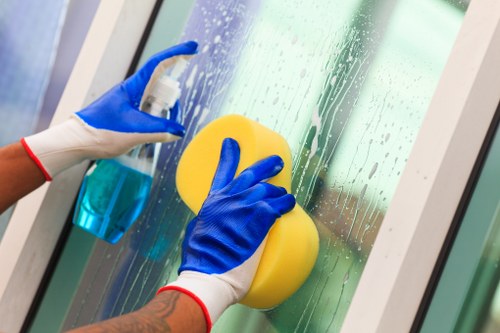
There are many reasons local customers choose professional curtain care rather than leaving fabrics untreated or attempting a DIY approach. While some light maintenance can be done at home, deep cleaning a full set of curtains is often more complicated than it first appears. Curtains are heavy, awkward to handle, and sometimes more delicate than they look.
One of the biggest advantages is appearance. Clean curtains improve the overall look of a room in a way that is easy to notice once the work has been done. Colours often look brighter, folds sit better, and the room can feel cleaner overall. This is especially helpful before guests arrive, after a renovation, or when preparing a property for sale or letting.
Another important benefit is fabric care. Dust and trapped particles can slowly affect the condition of textiles over time. Regular cleaning can help keep curtains in better shape, which may support a longer usable life. That can be valuable for expensive fabrics or bespoke curtains that would be costly to replace.
Other practical benefits
- Helps reduce built-up dust and airborne particles
- Supports a fresher indoor environment
- Improves the overall finish of a room
- Can reduce lingering smells from cooking or smoke
- May help maintain fabric appearance and drape
- Saves time compared with removing and cleaning curtains yourself
For allergy-conscious households, curtain cleaning can be particularly helpful because textiles can hold onto fine dust and pollen. While it is not a medical treatment, keeping furnishings cleaner often makes day-to-day living feel more comfortable.
When businesses book curtain cleaning
Commercial customers usually want a service that is discreet, efficient, and scheduled around business hours where possible. Meeting rooms, waiting areas, customer reception spaces, and private offices can all benefit from cleaner fabric fittings. A tidy, well-maintained interior supports the right impression and helps the space feel more professional.
What affects the cost of curtain cleaning?
Pricing for curtain cleaning in Ealing can vary depending on several practical factors. It is normal for a professional service to assess the job before offering a quote, because the scope can differ significantly from one property to another. A light refresh for a small pair of curtains will not require the same time or process as a set of large, lined, floor-length drapes.
Some of the main factors that can affect the price include fabric type, curtain size, the number of windows involved, whether the curtains need removing and rehanging, access difficulty, stain complexity, and whether the work is residential or commercial. Special materials such as velvet, silk, or antique fabrics may need extra care, which can also influence the price.
It is also worth noting that the cheapest option is not always the best value. A careful clean that protects the fabric and gives a proper finish is usually more worthwhile than a rushed service that leaves curtains looking uneven or causes avoidable damage. A trustworthy local provider should be happy to explain the likely approach before you commit.
Questions that help with an accurate quote
- How many sets of curtains need cleaning?
- Are they lined, interlined, blackout, or unlined?
- What material are they made from?
- Do they need to be removed and rehung?
- Are there visible stains or odours?
- Is the property easy to access?
When you request a quote, giving clear details helps the team suggest the right service and avoid surprises on the day.
How to prepare for curtain cleaning
Good preparation helps the appointment run smoothly. You do not usually need to do much, but a few small steps can make a difference, especially in busy family homes or commercial premises with limited time.
Before the cleaner arrives, it can help to make sure the area around the windows is easy to reach. Move fragile objects, ornaments, or furniture if you can do so safely. If curtains are behind radiators, radiators should ideally be accessible too. For properties in Ealing where parking or entry is restricted, it is helpful to plan access in advance so the work can begin on time.
It is also useful to mention any issue areas, such as marks at the bottom of the curtain from floor contact, fingerprints around tieback height, or smell caused by cooking in open-plan spaces. If you have pets, letting the cleaner know in advance can also be helpful, especially where fur or odours are part of the problem.
Simple preparation checklist
- Clear access to windows and curtain areas
- Move breakables away from work zones
- Let the team know about known stains or damage
- Check whether parking or entry arrangements are needed
- Keep children and pets away from the immediate work area
- Confirm whether curtains should stay hung or be removed
Tip: If you are arranging cleaning for several rooms, make a short list of every curtain set you want looked at. That makes it easier to plan the visit and avoids missing one window by mistake.
Aftercare advice
Once cleaned, curtains should generally be left to dry and settle according to the fabric and method used. Avoid handling them unnecessarily while damp. If the cleaner provides any specific aftercare instructions, it is best to follow them closely so the fabric keeps its finish and drape.
Why choose a local company for curtain cleaning in Ealing?
A local company offers more than just proximity. It can provide a more personal, practical service that suits the realities of living and working in Ealing. That matters because local customers often need flexibility, particularly when dealing with access, family routines, business opening hours, or parking limits.
Local teams are also more likely to understand the mix of properties in the area. A cleaner who regularly works around Ealing will be used to everything from compact flats to larger houses with multiple reception rooms. They are more likely to anticipate how long the work may take, what equipment may be needed, and how to handle delicate fabrics in real homes rather than in theory.
Another benefit is responsiveness. If you need a quote, want to ask about a fabric type, or need to arrange the work around a move-in, move-out, or event, a nearby service can often respond with more convenience. For many customers, that local support is what turns a one-off job into a reliable long-term service.
Local service matters because it can help with
- Flexible scheduling for households and businesses
- Understanding of local access and parking conditions
- Quicker planning for urgent refreshes
- Better support for period and modern properties alike
- Practical advice based on real local experience
If you are comparing providers, look for a service that asks the right questions, explains the process clearly, and treats each curtain set as a separate job rather than offering a generic response.
Areas covered around Ealing
Customers looking for curtain cleaning in Ealing are often based in nearby neighbourhoods as well as the core town centre. Local services commonly cover a wide range of residential and commercial locations across the borough and surrounding districts. This can include Ealing Broadway, West Ealing, South Ealing, Northfields, Hanwell, Pitshanger, and nearby stretches towards Acton, Brentford, Chiswick, and Shepherd’s Bush.
If you are unsure whether your property falls within the service area, it is still worth asking. A local team may be able to help even if you are just outside the immediate centre, especially if the job is straightforward or can be scheduled alongside nearby work.
Frequently asked questions
Can all curtains be cleaned the same way?
No. Different fabrics and linings need different methods. Delicate materials, blackout linings, and heavily structured curtains often need special handling. A proper assessment is important before any cleaning starts.
Do the curtains need to be taken down?
Not always. Some curtains can be cleaned in place, while others are better treated off-site or after removal. The right choice depends on the fabric, size, access, and the type of soil or staining involved.
Will curtain cleaning remove bad smells?
It can often help reduce odours caused by everyday use, cooking, pets, or stale air. However, results depend on the source of the smell and the condition of the fabric.
How often should curtains be cleaned?
That depends on how quickly they collect dust, whether the home has pets or smokers, and how much sunlight or everyday use they experience. Many customers arrange cleaning when curtains start to look dull, smell stale, or need attention for a special occasion.
Can you clean curtains in flats or upper floors?
Yes, though access needs to be considered. Flats and upper-floor properties are common in Ealing, and a local service should be prepared to discuss entry, stairs, lifts, and parking before the appointment.
Is curtain cleaning suitable for commercial properties?
Yes. Offices, hospitality areas, clinics, schools, and other business settings often benefit from professional curtain care, especially when presentation and cleanliness matter to staff or visitors.
Book professional curtain cleaning in Ealing
If your curtains have lost their fresh appearance, gathered dust, or no longer hang as well as they used to, now is a good time to arrange a professional clean. A tailored service can help restore the look of your rooms, reduce hassle, and protect your fabrics from unnecessary wear. Whether you need support for a single window treatment or multiple sets across a larger property, a local specialist can make the process straightforward.
Contact us today to discuss your requirements, ask about fabric care, or request a free quote. If you are ready to refresh your home or business, book your service now and take the next step toward cleaner, better-looking curtains in Ealing.
For a careful, local, and practical approach to curtain cleaning in Ealing, speak to a team that understands your property and your priorities.